Celebrating the Little Victories

Submission by: Neehar Gaddam – OMS III
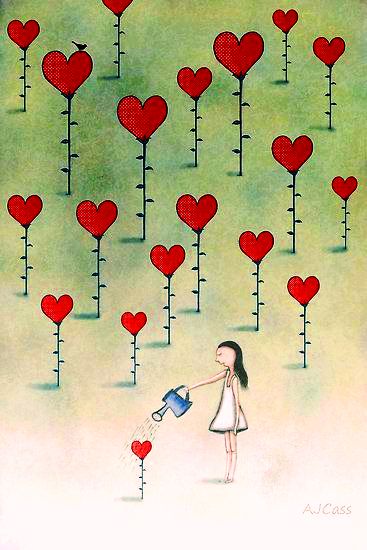
When observing masters of any craft, you notice that they do not waste any motion. Every movement is quick and precise. They often spend years improving their techniques, down to perfecting the last detail.

They realize that the road from average to master is paved with details. Step here. Cut here. Carve here. Heat for 12 minutes, not 10.

What this reminds me as a medical student is that, details matter. Small improvements, matter.

Over time, they can even snowball into big changes. As such, they deserve to be celebrated. This holds true for us as well as for our patients. Progress is progress. Incidentally, a major source of burnout is a feeling of inefficacy.

You are just not making the difference you thought you would.

As Andy Warhol put it,

“You need to let the little things that would ordinarily bore you suddenly thrill you.”

This quote reminds me that even minor changes deserve to be reveled in. Even small improvements are steps forward.

So stop, take a moment to celebrate the minor victories with your patients, appreciate what went into achieving that progress, and then keep moving forward, as a true master does.

Book Murdering

Submission by: Emily T.

Image result for book

I recently saw a post on twitter about a hotly debated issue where twitter user @alex_christofi asked: “Yesterday my colleague called me a ‘book murderer’ because I cut long books in half to make them more portable. Does anyone else do this? Is it just me?”. https://twitter.com/alex_christofi/status/1219564301029138432

I was first shocked that someone would ruin a book like this, but then I thought that this was actually quite practical. With larger books it can be cumbersome to carry around and splitting it in half would help with portability.

Not long after seeing this twitter post, I found that Constance Grady at Vox wrote an article tackling the exact conundrum pointed out by the above Twitter post. She discusses how and why we’ve come to romanticize the value of a book and whether or not we should. She concludes her article with the following thoughts:

With a codex, you can get interactive with the text. You can dog-ear the pages if you choose. You can scribble in the margins and underline and highlight. You can rip a codex in half so it’s easier to carry around and dip into during your commute. Or you can treat your books as decorative objects. You can organize them by color. You can build collages with their spines. You can rip out the pages and use them to paper your walls. If you want to make people really mad, you can rip a book into pieces and then organize the shreds by color. None of these choices are moral failings — and all of them mean that you’re taking full advantage of the enormous flexibility and power of the printed book. And maybe that’s a power worth romanticizing.

https://www.vox.com/culture/2020/1/21/21075327/book-murder-ripping-books-in-half-color-coding-shelves-spine-in-marie-kondo

To all the readers out there, what do you think about ripping a book in half like this? Would you ever do it?